What Makes Low Cortisol Aim the Key to Calm Valorant Aim?
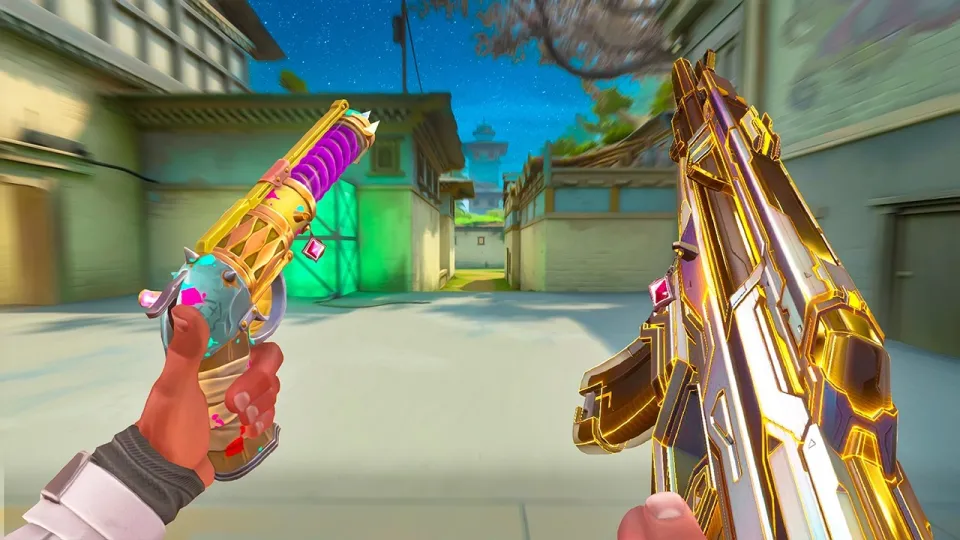
Video: low cortisol aim..
Need articles like this for your video? They help promote it on YouTube and Google — order them in the Telegram bot @sat_sit_bot. The bot writes and publishes the articles itself (with your YouTube video embedded) on popular topical websites (no ads). Try it free: 50 articles on us.
· based on the channel Rawzu
Key takeaways
- Low cortisol aim is a calm, low-stress aiming style that prioritizes smooth crosshair movement over frantic flicks.
- Rawzu uses 400 DPI, 0.625 in-game sensitivity, and a 1440x1080 resolution for precise control.
- Phoenix's Blaze and Curveball abilities support aggressive dueling when paired with steady aim.
- A 360Hz monitor like the Zowie XL2566K reduces input lag for faster visual feedback.
- Optimizing your PC with Hone can improve frame stability for consistent aim.
Low cortisol aim is a calm, low-stress aiming approach that focuses on smooth crosshair placement and steady tracking instead of frantic flicks. It helps Valorant players stay composed under pressure and make more consistent shots. You can start optimizing your setup today with Hone, which provides tools to boost FPS and reduce stutter.
What Is Low Cortisol Aim in Valorant?
Low cortisol aim is a term popularized by content creators like Rawzu to describe an aiming style that minimizes tension and maximizes precision. Instead of high-energy, jerky movements, players keep their mouse hand relaxed and let crosshair placement do the work. This approach is especially effective in tactical shooters like Valorant, where a single shot can decide a round. By reducing cortisol—the stress hormone—players can avoid overcorrecting and maintain steady aim during clutches. The concept ties into broader discussions about calm aim and satisfying gameplay clips, where smoothness is prioritized over flashy flicks.
How Rawzu's Settings Support Calm Aim
Rawzu's peripheral and sensitivity choices are built for consistency and control. He uses a Logitech G Pro X Superlight 2 mouse, an Artisan Zero Soft mousepad, and a Zowie XL2566K 360Hz monitor. His in-game sensitivity is 400 DPI with 0.625, and his resolution is 1440x1080. These settings favor precise micro-adjustments over large swipes. The Artisan Zero Soft provides a balance of speed and stopping power, while the 360Hz monitor ensures minimal input lag. Such a setup reduces the need for aggressive flicks and supports the low cortisol aim philosophy.
Why Phoenix Fits an Aggressive but Calm Playstyle
Phoenix is an offensive duelist who excels at hunting enemies while disrupting their ability to fight back. His Blaze ability creates a vision-blocking wall that also damages enemies, allowing him to push through defended areas. Curveball blinds opponents even behind corners, and Hot Hands provides self-healing and area denial. Combined with his Run it Back ultimate, Phoenix can play aggressively but still recover from mistakes. This kit rewards players who stay calm and use abilities deliberately rather than rushing blindly. Low cortisol aim complements Phoenix's kit by ensuring that when you do take a duel, your shots land consistently.
How to Practice Low Cortisol Aim
Practicing low cortisol aim involves building muscle memory and reducing tension during gameplay. Here are steps to incorporate it into your routine:
- Start with aim trainers like Aim Lab or KovaaK's, focusing on smooth tracking and micro-flicks rather than speed.
- Use deathmatch in Valorant to practice crosshair placement at head level while moving calmly through maps.
- Adjust your sensitivity to a value that allows precise control—many players find 400 DPI with 0.5–0.7 in-game sensitivity comfortable.
- Take deep breaths and relax your grip before each round to lower physical tension.
- Review clips of your gameplay to identify moments where you overcorrected or panicked.
Consistency comes from repetition and a relaxed mindset, not from high-intensity grinding.
Common Questions About Calm Aim and Settings
Viewers often ask about the practicality of low cortisol aim and the settings that support it. Some wonder if such a calm style works in high-pressure ranked matches, while others question the impact of hardware like the Artisan Zero mousepad or the 360Hz monitor. The consensus is that a relaxed approach reduces fatigue and improves long-term performance. Regarding sensitivity, there is no universal best value—it depends on your grip and arm speed. However, many players in the calm aim community favor lower sensitivities for stability. As for peripherals, a lightweight mouse and a consistent mousepad can make micro-adjustments easier. Ultimately, low cortisol aim is about finding what keeps you composed and precise.
Useful Links
Final Thoughts
Low cortisol aim is a mindset and technique that prioritizes calm precision over frantic reactions, and it can be the key to consistent performance in Valorant. By adopting a relaxed grip, optimizing your settings, and practicing deliberately, you can improve your crosshair placement and win more duels. Rawzu's gameplay showcases how this approach works in practice, and his channel offers further insights into calm aim and satisfying clips. Remember to optimize your PC with Hone to ensure smooth frames and minimal input lag. Stay calm, aim steady, and climb the ranks.
Source: low cortisol aim.. · Markdown version
Questions & answers
Is low cortisol aim effective in high-rank Valorant matches?
Yes, low cortisol aim is effective at all ranks because it emphasizes consistency and crosshair placement over risky flicks. High-rank players often rely on steady aim and game sense, which are core to this approach. It reduces panic and helps maintain composure during clutches.
What sensitivity should I use for calm aim?
There is no single best sensitivity, but many players in the calm aim community use sensitivities between 0.5 and 0.7 at 400 DPI. The key is to choose a value that allows precise micro-adjustments without feeling sluggish. Experiment in the range to find what feels most controlled for your grip style.
Do I need a 360Hz monitor to achieve low cortisol aim?
A high refresh rate monitor like 360Hz can reduce input lag and provide smoother visual feedback, but it is not mandatory. Low cortisol aim is primarily about technique and mindset. A 144Hz monitor is sufficient for most players; the benefits of 360Hz are marginal for aim consistency.
How does Phoenix's kit support a calm aiming style?
Phoenix's abilities like Curveball and Blaze allow you to control engagements and create favorable duels without rushing. His self-healing and Run it Back ultimate provide safety nets, so you can stay calm and take calculated fights. This synergy lets you focus on steady aim rather than frantic movement.